
About
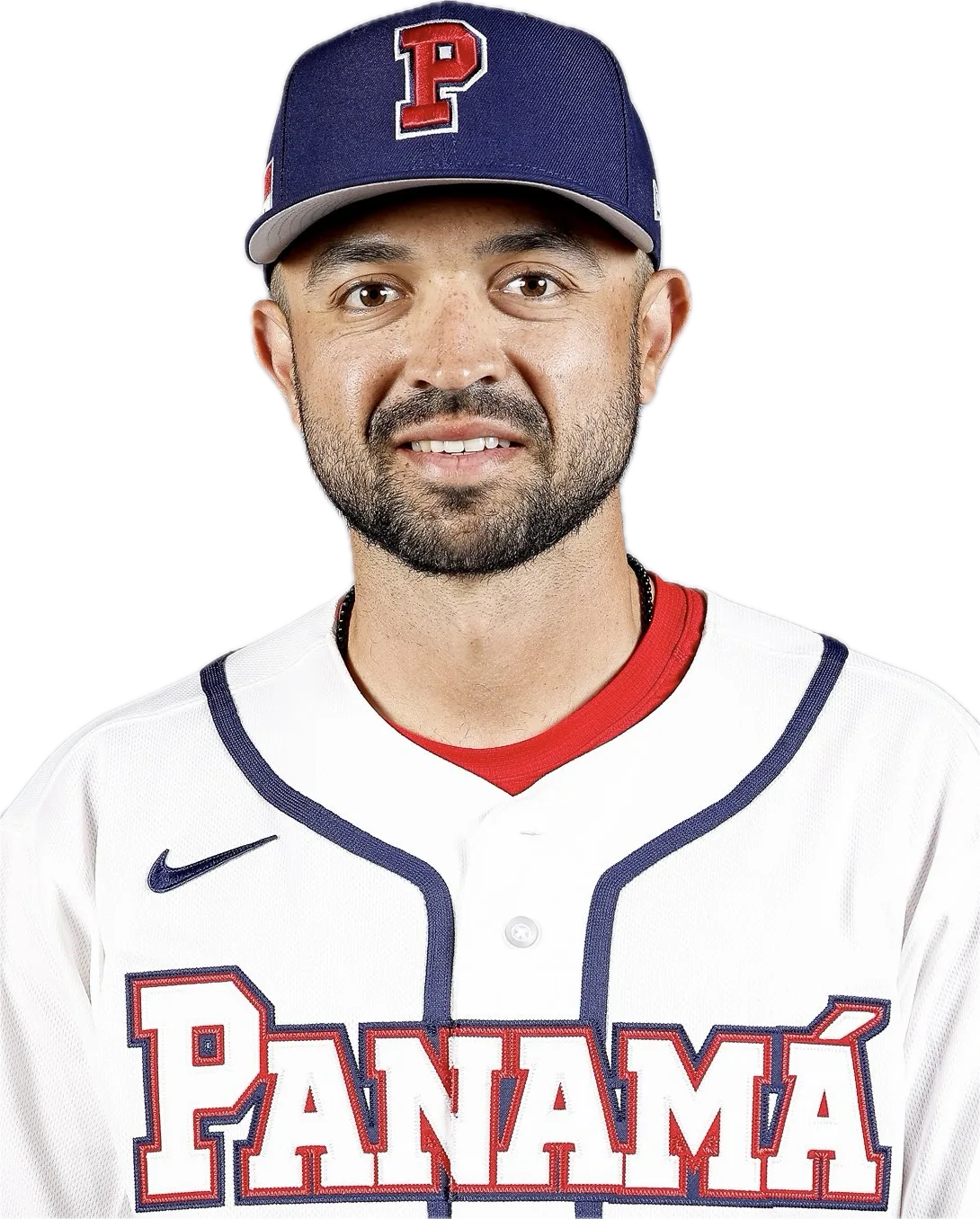
Cristian Perez
Assistant Director, Player Development · Houston Astros
CP Baseball Systems is my professional home — a collection of the software, tools, and ideas I build for the work that happens around the game: evaluating players, developing them, and running the organization that supports them.
How I Lead
Clarity.Alignment.Impact.
My approach starts with understanding what creates Major League value and establishing clear, actionable development priorities. From there, leadership means connecting people and information, empowering specialists to own their disciplines, and building systems that make effective processes repeatable. The ultimate goal is to develop both players and the people responsible for their growth.
The strongest departments develop staff as deliberately as they do players.
Background
I’m the Assistant Director, Player Development for the Houston Astros. My work spans the organization’s Dominican Republic and Florida complexes — hiring, mentoring, and educating staff, evaluating players, building individual development plans, and leading roster planning for the Dominican Summer League.
Before Houston, I was the Cincinnati Reds’ Major League Advance Scouting Coach from 2019 to 2022, preparing pre-series game plans and presenting them to Major League coaches and players. I started in baseball operations with the Arizona Diamondbacks and as a Fellow in League Economics and Operations at the Office of the Commissioner of Baseball.
In 2026 I served as Team Panama’s Game Planning/Strategy Coach at the World Baseball Classic, and coached in uniform as the FCL catching coach while continuing in my front-office role. I caught at Duke and at USC, and I’m bilingual in English and Spanish.
Experience
- 2023 – PresentHouston AstrosAssistant Director, Player Development
- 2026World Baseball Classic — Team PanamaGame Planning/Strategy Coach · concurrent
- 2019 – 2022Cincinnati RedsMajor League Advance Scouting Coach
- 2018 – 2019Office of the Commissioner of BaseballFellow, League Economics and Operations
- 2017 – 2018Arizona DiamondbacksBaseball Operations Intern
Education
- 2017University of Southern CaliforniaMaster of Science, Digital Social Media
- 2016Duke UniversityBachelor of Arts, Sociology
Philosophy
Organizations win on the quality of their decisions. Good systems make those decisions clearer, faster, and easier to share.
- 01
Built around the work
Tools should start from how evaluation, development, and planning actually happen inside an organization — not from a feature list.
- 02
Clarity over volume
More data is not the goal. The right information, in the right shape, in front of the right people is.
- 03
Made to be used
A tool that staff open every day is worth more than one that impresses once. Simplicity is a feature.
Technical projects
6 baseball operations applications, collected in EPHYRA — the CP Baseball Systems application workspace.
- Player OperationsMagnet Board · Player Directory & Offseason Locations
- Strategy & EvaluationTrade Deadline Board · Advance Scouting
- People & OperationsLeadership Travel · Hiring Board